
The Breathing Earth Project seeks to coordinate art exhibits, public talks and multimedia projects which bring together diverse and underrepresented voices to honor our breathing earth, explore avenues for healing and work towards social justice.

Plankton in our midst
The exhibit Plankton in Our Midst: The Unseen Citizens of the Sea and Our Breathing Planet explored the exquisite beauty of plankton and its crucial role not only in ocean ecosystems, but in how ocean health is critical to our survival and elemental to all life on our planet. Scroll down to learn more.
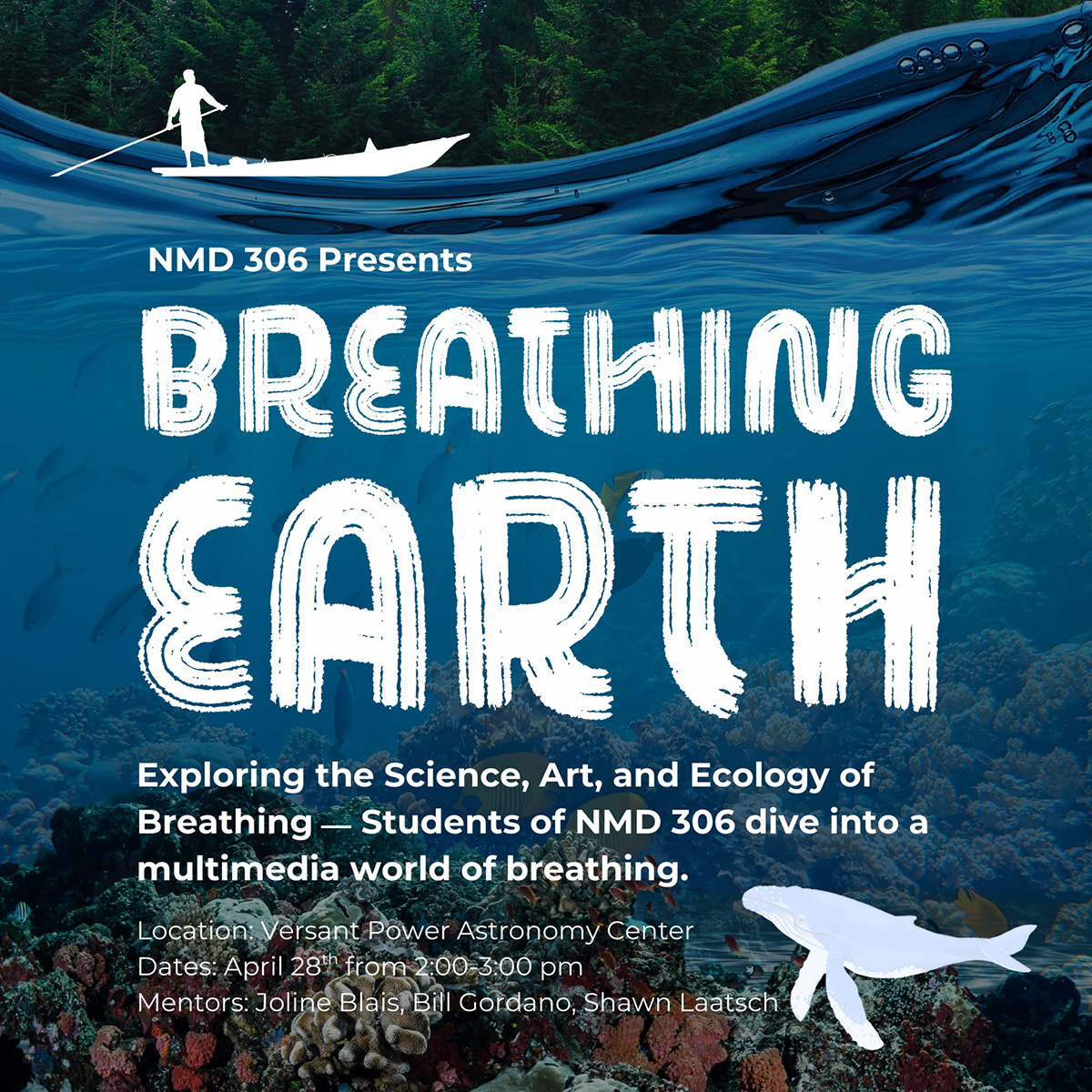
Versant Planetarium Presentation
University of Maine Professor Joline Blais and her digital media class designed a multimedia presentation entitled Breathing Earth: Exploring the Science, Art, and Ecology of Breathing. It showed at the Versant Planetarium in the spring of 2025. Students used the Plankton in Our Midst Exhibit catalog as one of their reference texts.
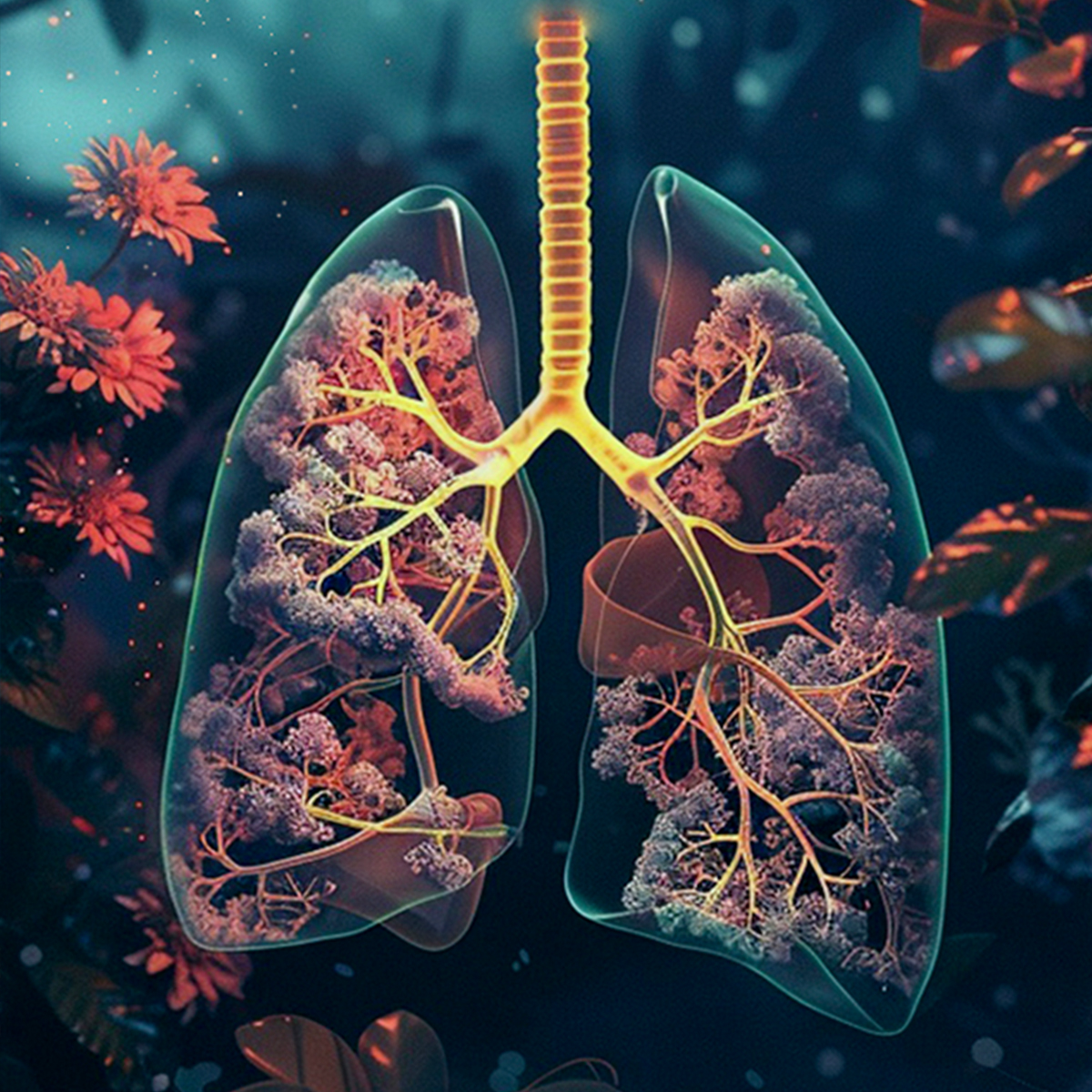
The Great Turning And Our Breathing Earth
Read Liz Cunningham’s article in Deep Times Journal about the connections between the breath of the earth and Joanna Macy’s Great Turning, entitled “Communities of Breath: The Great Turning and Our Breathing Earth.”
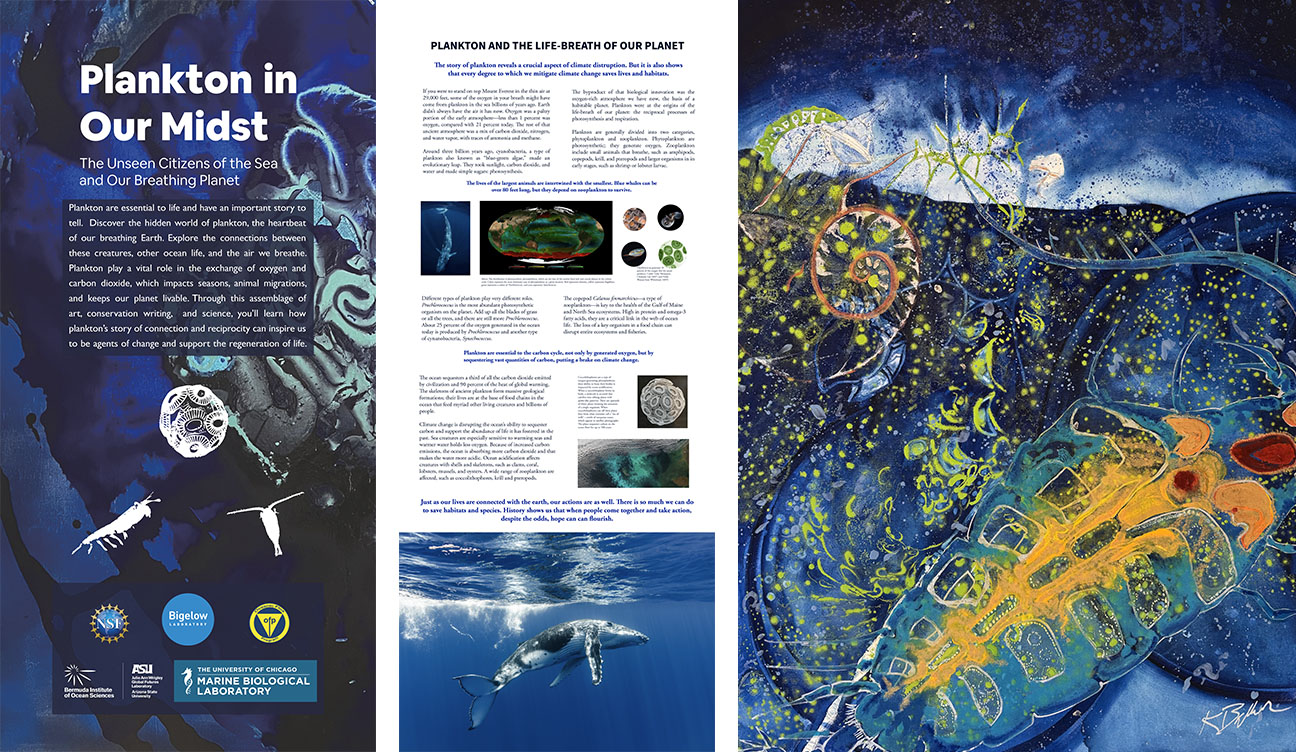
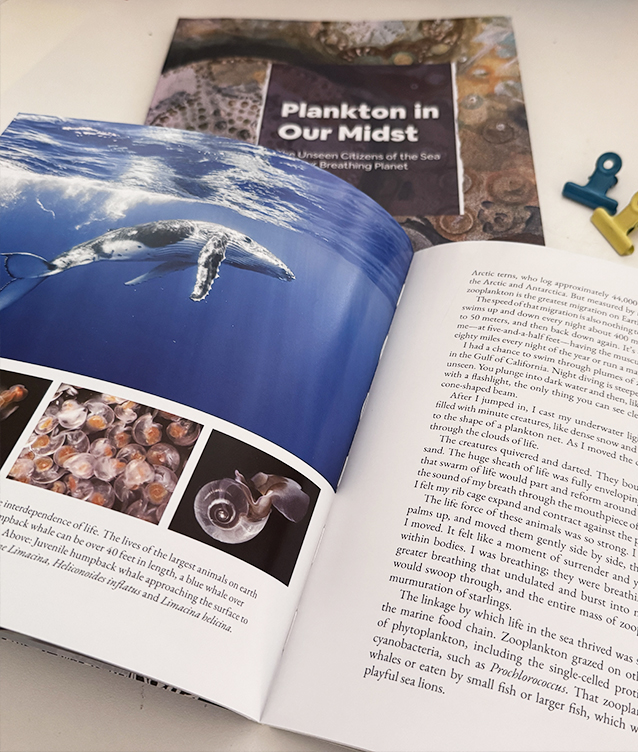
The exhibit Plankton in Our Midst: The Unseen Citizens of the Sea and Our Breathing Planet explored the beauty of plankton and its crucial role not only in ocean ecosystems, but in how ocean health supports our survival and all life on our planet. The work of artists Krisanne Baker and Julie Crane and conservation writer Liz Cunningham converged to create an engaging offering of glass installations, paintings, sculptures in tandem with interpretive panels. The exhibit amplified the intricate beauty of plankton and how vital it is to our biosphere and the survival of large creatures such as crabs, seals, terns and whales.
A full-color exhibit catalogue with a long-form essay by Liz Cunningham was made available free to the public and educators. The catalogue is now available at no cost as a PDF. The exhibit was at Rockport Public Library in Rockport, Maine in 2024 and then at the Marine Biological Laboratory in Woods Hole, Massachusetts in 2025.
About the exhibit
Inspiration to protect life in a time of ecological crises


While often overlooked, plankton are fundamental to life on our planet. They are key to aquatic ecosystems, the survival of larger creatures such as bears, seabirds, seals and whales, and the carbon cycle which keeps our precious biosphere habitable.
Plankton in Our Midst explores this interdependence at the crossroads between art, science and conservation writing. Implicit in this exploration is the reciprocity at the heart of our breathing earth, an idea deeply understood by Indigenous traditions and recognized by science. Integral to it are the exchanges of oxygen and carbon dioxide which drive changing seasons, animal migrations, and the interconnectedness by which life thrives.
Plankton in Our Midst is a window into the world of plankton and the rhythms of our breathing earth, offering fresh inspiration to protect and nurture life in a time of massive ecological crises.
the Creators of plankton in our midst

Liz cunningham
Liz Cunningham is the author of numerous articles and the award-winning Ocean Country, with a foreword by Carl Safina. Her mission is to inspire and empower others to protect the life of this planet and work toward social justice. She speaks to a diverse range of audiences, from inner-city high schools to universities and large public venues such as the Commonwealth Club and the New England Aquarium. She is the co-founder of KurtHahn.org, the online archive for the founder of Outward Bound, Kurt Hahn.

Krisanne Baker
Krisanne Baker is an ocean advocacy artist. She creates art, often through science collaborations, about of the contents of the living breathing ocean to spark curiosity in others, educate them about the rights of ocean inhabitants, and inspire stewardship of the Great Blue. Krisanne has had many solo exhibitions and received numerous awards and fellowships such as the Bow Seat Educator of the Year and Japan Fulbright Memorial Scholar. As an educator she developed the Gulf of Maine: Dare to Care curriculum.

Julie Crane
Julie Crane refers to her work as “the songs of spies”—the search for truth through what is living, a glimpse into how each creature contributes to the whole of life. Her work often times juxtaposes microscopic organisms suspended mid-air around a central subject. By switching the scale of objects, the viewer is invited to consider the impact of the invisible and the attributes we share. Her work has appeared in numerous exhibitions in the United States and overseas.
